
GirderGroup

Modeled Scenario: A Regional Carrier’s CPNI Access Review, From 80 to 30 Hours

An assumption-based model of how a communications carrier could restructure its periodic CPNI access review. Every input is stated; no client is described.

Dwayne ThompsonEngineering, standards & trade editor · Kingston
March 25, 2025 · 6 min read

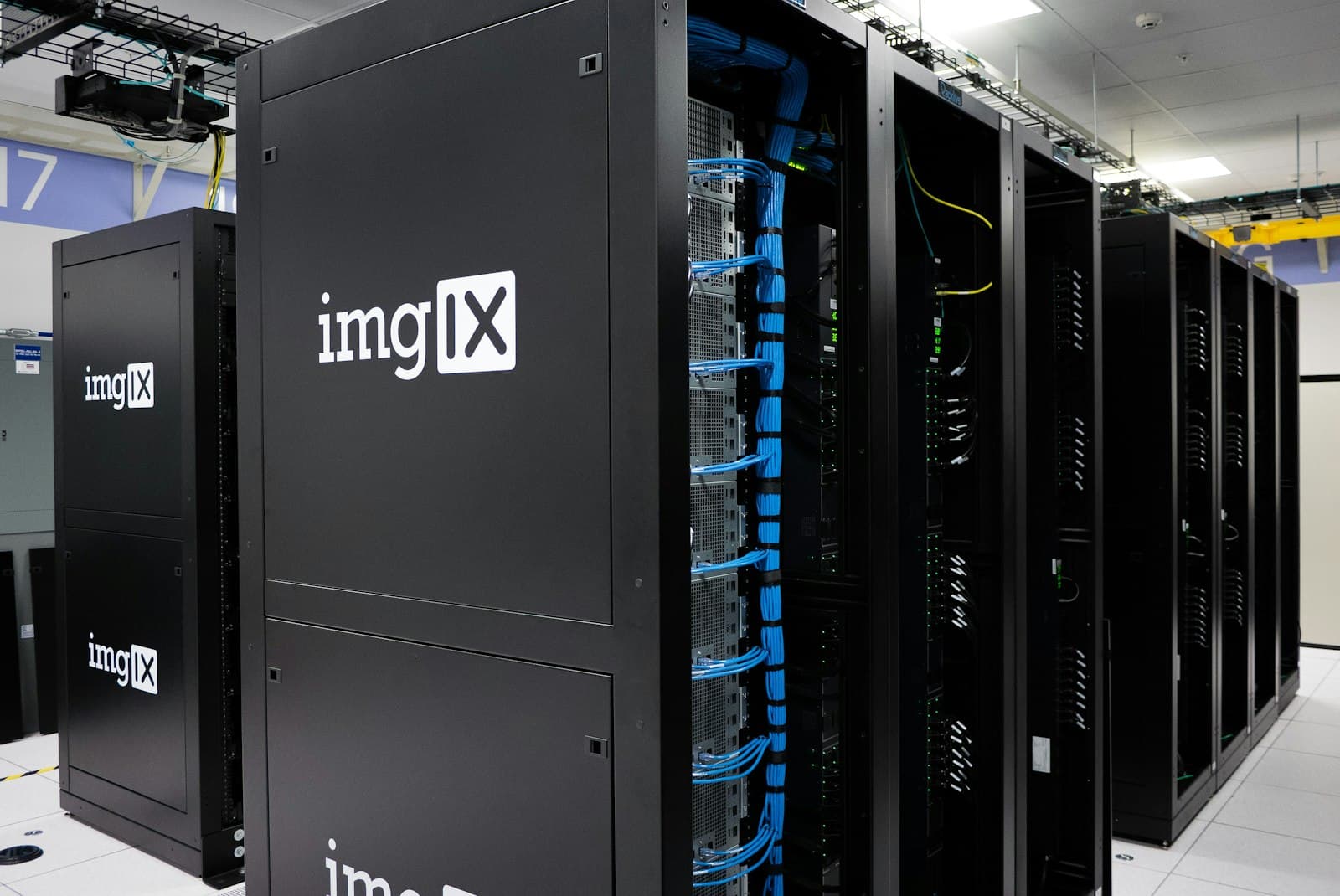
A network operations team at work, illustrating a modeled CPNI access review.
A network operations team at work, illustrating a modeled CPNI access review. · Image: Girder Group
Modeled Scenario

This is a model, not a client

The carrier below does not exist. It is a composite built to illustrate how a periodic CPNI access review could change under automation. Every figure is an assumption stated in the methodology, not a measured result, and no outcome is guaranteed.

Executive summary

A hypothetical regional carrier reviews access to Customer Proprietary Network Information to support its annual FCC compliance certification and detect misuse. Under the modeled baseline the periodic review takes 80 person-hours, almost all manual. Restructured around automated access-log reconciliation and exception-based review, the model brings it to 30 person-hours, with a human owner still accountable for the certification.

Challenge

In the baseline, staff pull access logs from several customer systems, normalise them by hand, sample access events, and assemble a memo for the certifying officer. Because it is manual, the review is periodic rather than continuous, and misuse could sit unnoticed between cycles.

What was at stake

CPNI rules require carriers to protect and account for access to customer data and to certify compliance annually (FCC CPNI rules). The risk in the manual approach is coverage: 80 hours of hand-work is where an unreviewed access path hides, and an access log nobody can produce is exactly the failure an investigation exposes.

Solution (modeled)

The modeled redesign keeps the certifying officer’s sign-off and changes how the hours are spent: automated collection and normalisation of access logs across systems; automated reconciliation against the roster of authorised staff; exception-based human review of anomalous access; and templated assembly of the certification memo.

Results (modeled)

The human review line is reduced least: automation orders the work, but a person still reviews anomalies and owns the certification.

Review stageBaseline (modeled)With automation (modeled)Change
Log collection & normalisation28 hrs4 hrs−24
Access reconciliation22 hrs4 hrs−18
Anomaly review (human)20 hrs16 hrs−4
Certification memo10 hrs6 hrs−4
Total per cycle80 hrs30 hrs−50

Modeled CPNI access-review hours for a regional carrier. Illustrative estimates only.

Methodology

Baseline hours are a bottom-up estimate for a carrier reconciling access across several customer systems. Post-automation hours assume access logs are collected and normalised automatically, reconciliation is exceptions-only, and the certifying officer still reviews anomalies and signs. Scope and rigour are held constant across both columns.

Assumptions & limits

Figures are illustrative planning estimates, not measured outcomes, and vary with system count, access volume, and staffing. This is not a quotation, a benchmark, or a guarantee of results for any carrier.

Sources

  1. 1.47 CFR §§ 64.2001-64.2011, CPNI rules, current text.Electronic Code of Federal Regulations
  2. 2.Operational figures: Girder Group internal model, assumptions stated above. Illustrative only.Girder Group

Dwayne Thompson

Engineering, standards & trade editor · Girder Group · Kingston

Dwayne Thompson writes on compliance engineering, standards (NIST), and trade and logistics regulation (CBP, DOT, FMC), from Girder Group's Kingston desk.

Meet the desk

Work with Girder Group

The systems that make these obligations provable.

Girder Group builds the platforms, portals, and cloud systems that regulated organisations run on. Talk to the firm behind this research.

Start a conversation

Stay informed

New research in your inbox.

Briefings on recordkeeping and AI governance, published as the rules develop. We never share your address.

Unsubscribe anytime.


