
GirderGroup

Early Design Partner: An Importer Moves UFLPA Traceability Off Spreadsheets

An anonymised account of an importer replacing a spreadsheet supplier map with a documented traceability record. Reported with permission; figures limited to what can be shown.

Dwayne ThompsonEngineering, standards & trade editor · Kingston
May 14, 2025 · 6 min read
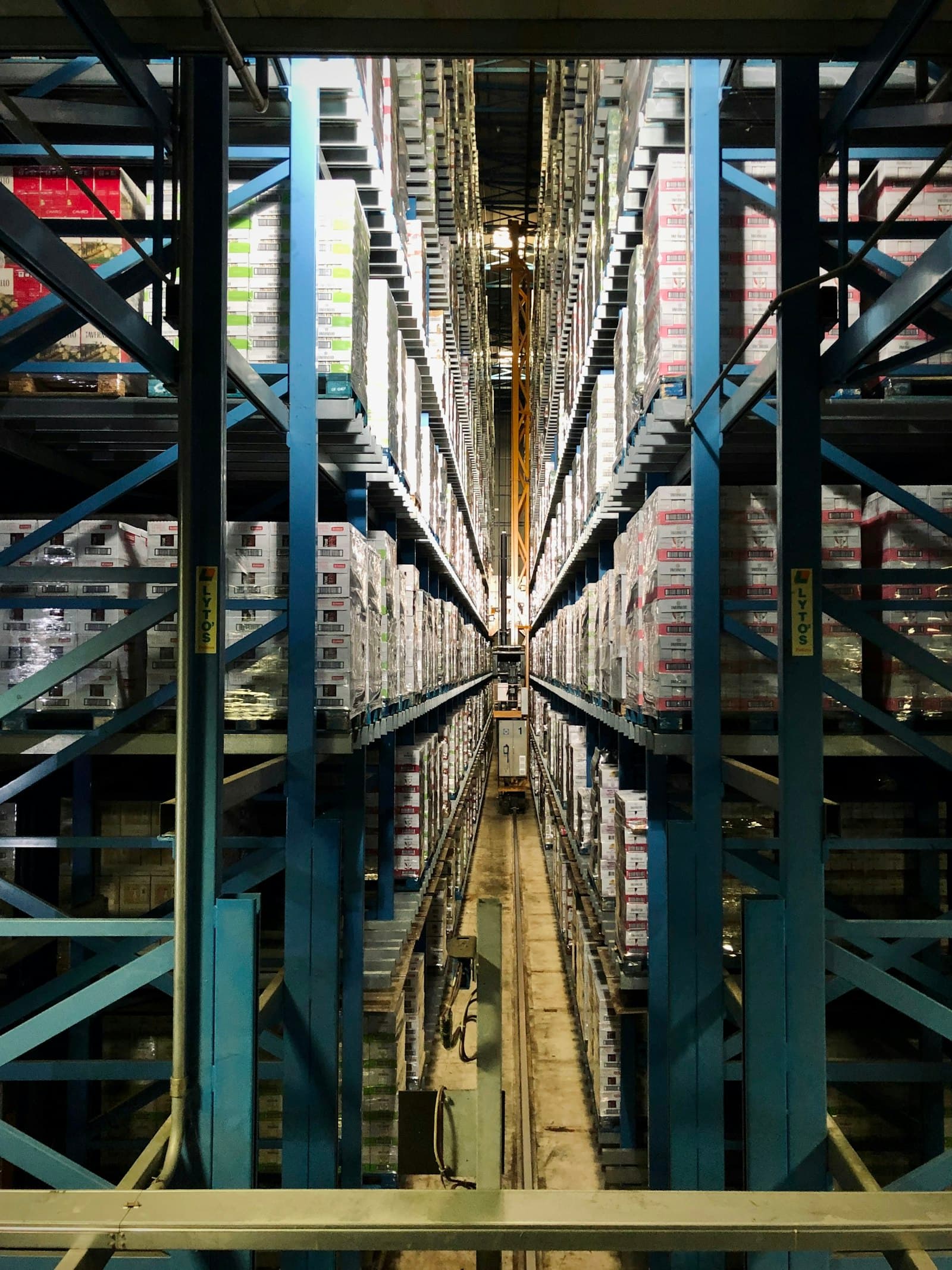
Containers awaiting inspection, illustrating an importer's move to documented UFLPA traceability.
Containers awaiting inspection, illustrating an importer's move to documented UFLPA traceability. · Image: Girder Group
Early Design Partner

Anonymised at the firm’s request

The importer described here is an early design partner that agreed to have its process discussed on condition of anonymity. Identifying details are withheld at its request. Because the engagement is early, this account is deliberately qualitative; see the limitations section.

Executive summary

A mid-sized importer managed UFLPA supply-chain traceability in a spreadsheet: a supplier list, a few tiers deep, updated when someone remembered. It engaged with us as an early design partner to replace that with a documented, tier-by-tier traceability record capable of supporting a rebuttal if a shipment were detained. This account describes the change in controls, not performance metrics.

Challenge

The spreadsheet recorded that suppliers existed; it did not hold the documentation that traces a product to raw inputs. If a shipment were held under the UFLPA rebuttable presumption, the firm would be assembling evidence under a clock it could not beat.

What was at stake

A detention with no ready traceability package risks the goods being excluded and the relationship with a customer damaged. The exposure was structural: the firm knew its tier-one suppliers and almost nothing verifiable below them.

Solution

The engagement mapped the supply chain below tier one where it could, attached supporting documentation to each mapped tier, replaced the spreadsheet with a traceability record that flags tiers lacking evidence, and kept a named person accountable for the map and for any rebuttal.

Results

We report the change in controls as before-and-after states rather than performance numbers. No hour or cost figures are claimed at this stage.

ControlBeforeAfter
Supplier map depthTier-one listMulti-tier, where documented
Traceability evidenceNone attachedDocumented per mapped tier
Gaps in the chainInvisibleFlagged for follow-up
Rebuttal readinessAssembled reactivelyPackage maintained in advance

Change in controls reported by the design partner. Qualitative; no performance metrics claimed.

Methodology

This account is based on the engagement itself and limited to changes the firm has implemented and confirmed. Where a claim would require a measured outcome, it has been omitted rather than estimated.

Limitations

A single early design partner, anonymised at its request; the account is qualitative. It reports a change in controls, not audited performance, and no traceability record can guarantee a specific customs outcome. Results for other importers will differ with supply-chain complexity.

Sources

  1. 1.Uyghur Forced Labor Prevention Act (UFLPA).U.S. Customs and Border Protection
  2. 2.Engagement details: reported by the design partner and confirmed with Girder Group. Qualitative; no metrics claimed.Girder Group

Dwayne Thompson

Engineering, standards & trade editor · Girder Group · Kingston

Dwayne Thompson writes on compliance engineering, standards (NIST), and trade and logistics regulation (CBP, DOT, FMC), from Girder Group's Kingston desk.


Meet the desk

Work with Girder Group

The systems that make these obligations provable.

Girder Group builds the platforms, portals, and cloud systems that regulated organisations run on. Talk to the firm behind this research.

Start a conversation

Stay informed

New research in your inbox.

Briefings on recordkeeping and AI governance, published as the rules develop. We never share your address.

Unsubscribe anytime.


