
GirderGroup

CBP Recordkeeping and UFLPA: What Importers Must Retain, and Trace

US Customs holds importers to 'reasonable care' backed by a defined records list. The Uyghur Forced Labor Prevention Act raised the bar to supply-chain traceability most importers cannot yet produce.

Dwayne ThompsonEngineering, standards & trade editor · Kingston
October 3, 2022 · 8 min read
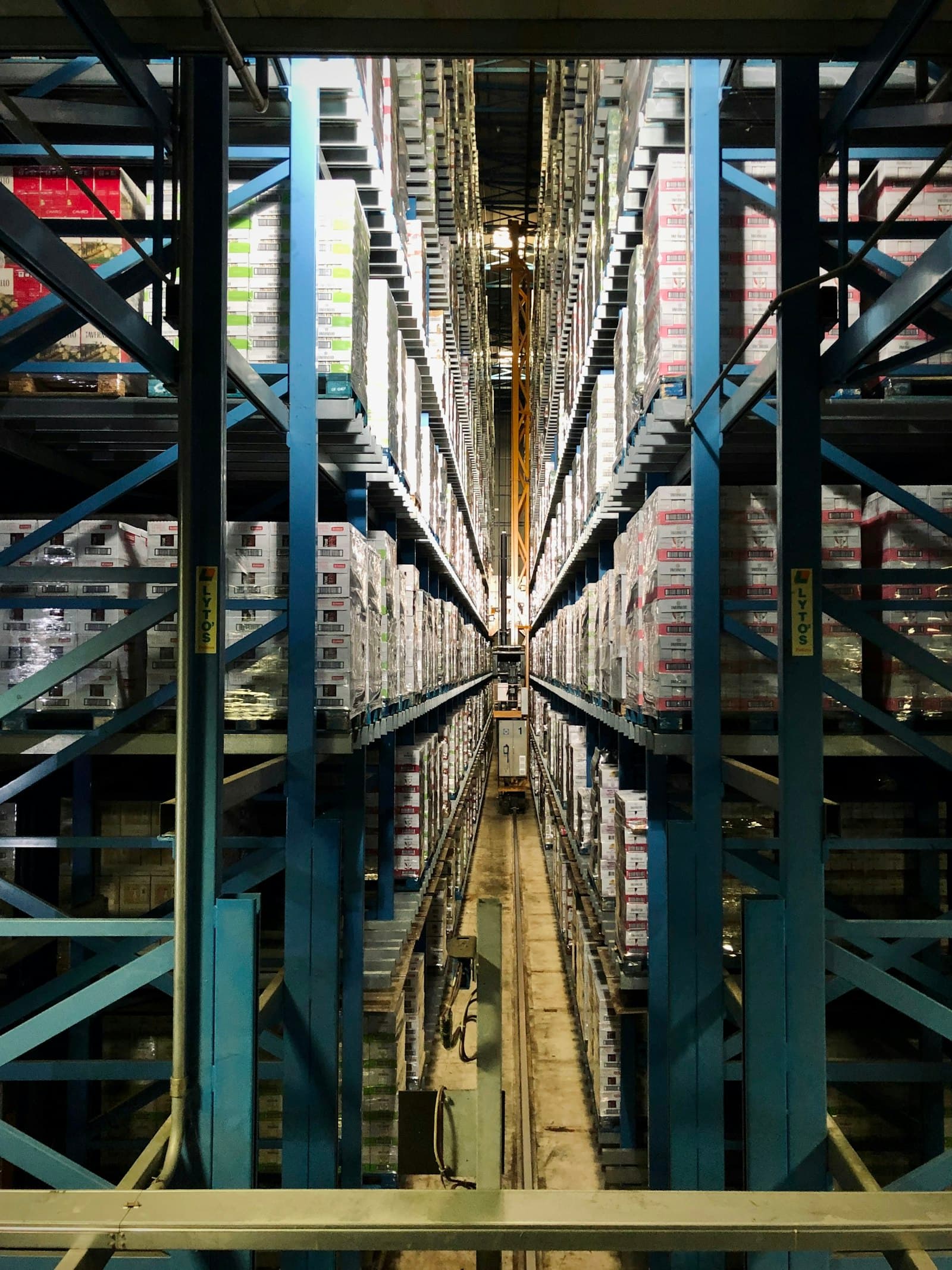
A customs inspection area at a port, illustrating CBP recordkeeping and UFLPA traceability.
A customs inspection area at a port, illustrating CBP recordkeeping and UFLPA traceability. · Image: Girder Group

Since 21 June 2022, US Customs and Border Protection has enforced the Uyghur Forced Labor Prevention Act with a rebuttable presumption: goods with any link to the Xinjiang region are assumed made with forced labour and barred, unless the importer proves otherwise (CBP). “Proves otherwise” means supply-chain traceability documentation, a records demand far beyond what most importers keep, layered on top of an already-strict recordkeeping regime.

Key takeaways

  • CBP holds importers to 'reasonable care', supported by the records list in 19 CFR Part 163 (the '(a)(1)(A) list').
  • The UFLPA's rebuttable presumption shifts the burden of proof onto the importer to trace the supply chain.
  • Rebutting the presumption requires granular, documented traceability back through suppliers to raw inputs.
  • CTPAT membership signals supply-chain security but does not replace the traceability records UFLPA demands.

The recordkeeping baseline, then UFLPA

CBP’s baseline is “reasonable care”: importers are responsible for entering goods correctly, and must keep the records that substantiate their entries, the list customs can demand is codified at 19 CFR Part 163, commonly called the “(a)(1)(A) list.” Failing to produce those records is itself a violation, separate from any error in the entry.

The UFLPA raised the stakes qualitatively. Since 21 June 2022, CBP applies a rebuttable presumption that goods connected to the Xinjiang Uyghur Autonomous Region are made with forced labour and inadmissible; the importer must rebut it with clear and convincing evidence (CBP UFLPA). That evidence is traceability, mapping a product back through every supplier tier to raw inputs, with documentation at each step.

Membership in CTPAT, the Customs-Trade Partnership Against Terrorism, demonstrates supply-chain security and can ease certain frictions, but it is not a substitute for UFLPA traceability. An importer can be a trusted CTPAT member and still be unable to rebut the presumption, because the two ask for different records.

“The presumption shifts the burden of proof onto the importer, and proof, here, means traceability records.”

What this means operationally

Keep the (a)(1)(A) records organised and retrievable, because reasonable care is judged on production, not intent.

Map the supply chain to raw inputs, with documentation per tier, before a detention forces it.

Do not rely on CTPAT to answer UFLPA; maintain traceability records specifically.

Build the evidence in advance, since rebutting the presumption runs against a hold clock.

Enforcement scale and what it signals

CBP publishes monthly UFLPA enforcement statistics. In the first two fiscal years of enforcement (FY2022-FY2024), CBP reviewed more than 9,000 shipments under UFLPA, with electronics, apparel, polysilicon, and cotton-based goods making up the bulk of cases. Of shipments that received a UFLPA detention, a substantial fraction were ultimately denied entry, because importers could not produce the traceability documentation needed to rebut the presumption (CBP UFLPA statistics).

The UFLPA Entity List, maintained by the Interagency Forced Labor Enforcement Task Force, identifies entities whose goods carry a heightened presumption. Being on the list is not required for a UFLPA hold; any connection to Xinjiang in a supply chain is sufficient to trigger the rebuttable presumption. Importers sourcing from industries where Xinjiang inputs are common (solar panels, cotton, tomatoes, certain chemicals) carry exposure even if they have never knowingly purchased from a listed entity.

The five-year retention rule under 19 CFR Part 163 interacts directly with UFLPA enforcement: CBP can examine entry records for five years after entry, which means an importer who cannot trace a 2022 shipment in 2026 is still exposed. The records horizon means traceability documentation from before UFLPA came into force can still be demanded.

How AI could address the gap

UFLPA turns importing into a traceability and evidence problem: map the chain, document each tier, and produce it against a detention clock. Assembling that map by hand, across suppliers who do not share systems, is where importers get stuck.

AI-assisted systems can maintain the supplier map and its supporting documents as a living record, flag inputs and tiers with missing traceability before a shipment is exposed, and assemble a rebuttal package when a hold lands. The sourcing decisions stay with the importer; the machine keeps the traceability evidence current, the move we describe in our trade design-partner account.

Building the platforms, portals, and systems that make these obligations provable is what Girder Group does.

Common questions

What does the UFLPA rebuttable presumption mean for importers?
Goods with any connection to the Xinjiang Uyghur Autonomous Region of China are presumed to have been made with forced labour and are barred from importation unless the importer rebuts that presumption with clear and convincing evidence presented to CBP.
What records does CBP require to support a UFLPA rebuttal?
CBP expects complete supply-chain traceability from raw material to finished product, including transaction documents, supplier certificates, and evidence of due diligence at each tier. The importer bears the burden of proof; gaps in the chain are typically fatal to a rebuttal.
How long must importers keep customs records under 19 CFR Part 163?
Most entry records must be kept for five years from the date of entry. Records relating to drawback claims and certain other transactions have longer retention requirements. CBP may request records at any time within the retention period.

Dwayne Thompson

Engineering, standards & trade editor · Girder Group · Kingston

Dwayne Thompson writes on compliance engineering, standards (NIST), and trade and logistics regulation (CBP, DOT, FMC), from Girder Group's Kingston desk.

Meet the desk

Work with Girder Group

The systems that make these obligations provable.

Girder Group builds the platforms, portals, and cloud systems that regulated organisations run on. Talk to the firm behind this research.

Start a conversation

Stay informed

New research in your inbox.

Briefings on recordkeeping and AI governance, published as the rules develop. We never share your address.

Unsubscribe anytime.


