GirderGroup

WhatsApp Archiving: Why Most Firm Archives Are Incomplete

The obligation is clear on both sides of the Atlantic. The capture is not. Where WhatsApp records leak out of the archive, and why capture, not surveillance, is the hard part.

James OkaforInternational & EU regulation correspondent · London
May 6, 2023 · 7 min read

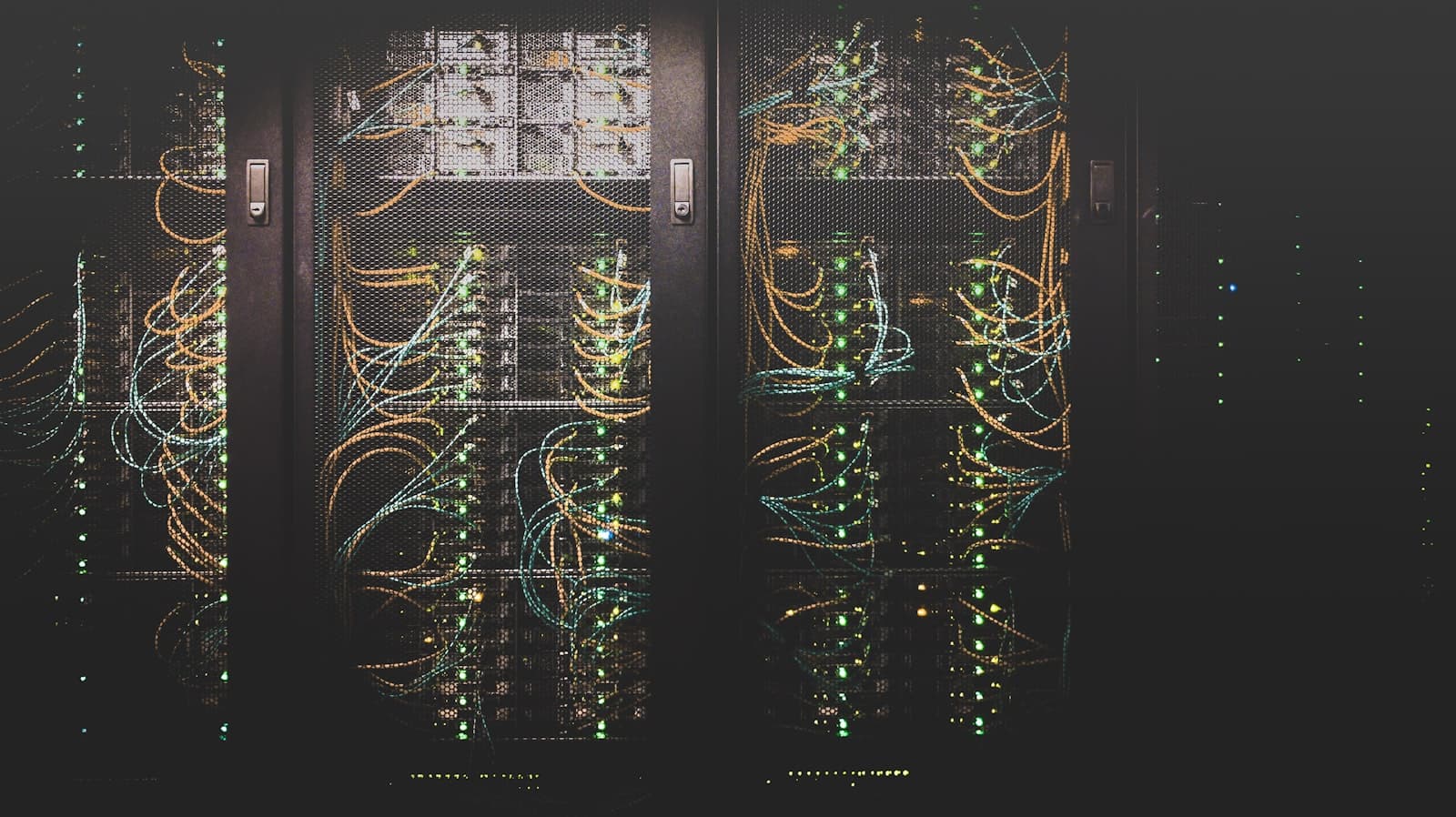
A secure server environment, illustrating encrypted-message archiving and capture.
A secure server environment, illustrating encrypted-message archiving and capture. · Image: Girder Group

Here is the contradiction inside most WhatsApp archives. The obligation to retain business messages is settled law. Whether a firm can actually capture those messages is an engineering question, and it is one that many archives quietly answer “no” while reporting themselves as compliant.

Key takeaways

  • WhatsApp is end-to-end encrypted, so there is no server-side copy a firm can subscribe to. Capture has to work against that design.
  • The consumer app is uncapturable at the server; compliant capture generally depends on the WhatsApp Business Platform.
  • Disappearing messages defeat retention by design, and non-text content is routinely missed.
  • Test the archive by trying to break it, not by trusting the dashboard.

The obligation is not in doubt

In the United States, business communications fall under the three-year retention clock of SEC Rule 17a-4, and WhatsApp was named repeatedly in the off-channel enforcement actions that produced more than $1.1 billion in penalties in a single 2022 round (SEC Release 2022-174).

In the United Kingdom, FCA SYSC 10A requires firms to record telephone conversations and electronic communications relating to transactions, and to keep those recordings. The rule is jurisdiction-agnostic about the app. The difficulty is entirely on the capture side.

“An archive can report success while capturing a fraction of reality.”

Where the records leak out

WhatsApp is end-to-end encrypted by default, which means the message content exists in readable form only on the endpoints (WhatsApp, “About end-to-end encryption”). There is no server-side copy a firm can subscribe to. That single design fact drives most of the gaps below.

The consumer app is uncapturable at the server. Compliant capture generally depends on the WhatsApp Business Platform (Cloud API), where messages route through an interface a vendor can connect to. An employee using the ordinary consumer app on a personal phone is outside that path entirely.

Disappearing messages defeat retention by design. A message removed from the endpoint before capture occurs was never retained, and no after-the-fact export will recover it.

Device-level capture is fragile, and non-text content is routinely missed. Coverage depends on every managed device staying enrolled and configured; and voice notes, images, documents, edited messages, and reactions are all part of the record, yet archives tuned for text frequently drop the rest.

The common thread is that an archive can report success while capturing a fraction of reality, the same completeness problem underneath our reference on SEC recordkeeping requirements for 2026 and our reporting on FINRA rules reaching smaller firms.

What this means operationally

Test the archive by trying to break it. Send a voice note, a disappearing message, an edited message, and an image from a managed device, then confirm each is retrievable. A green status light is not evidence; a successful retrieval is.

Decide the channel architecture before the policy. Either move business WhatsApp onto the Business Platform where it can be captured, or prohibit it and enforce the prohibition. Permitting the consumer app while assuming API-level capture is the worst of both.

Turn off what you cannot capture. Where the firm controls configuration, disable disappearing messages for business use.

Reconcile people and devices to capture feeds continuously, and treat a new uncaptured device as an incident, not a backlog item.

How AI could address the gap

Encryption means the hardest gaps are the ones a firm cannot see, the conversation on a personal app that never touched any system it monitors. You cannot analyse what you did not capture. But you can often find the shadow of it in what you did.

AI-assisted review of captured communications can surface the references that betray an uncaptured channel: a colleague saying “I’ll WhatsApp you”, a client moving a thread to a personal number. Automation can also run the completeness tests above on a schedule, probing the archive with known message types and alerting when one fails to appear. The limit is worth stating plainly: no model closes a gap at the encrypted endpoint. It narrows the search for where the gap is.

Building the platforms, portals, and systems that make these obligations provable is what Girder Group does.

James Okafor

International & EU regulation correspondent · Girder Group · London

James Okafor covers the FCA, EU regulation, AI governance, and international standards including ISO, from Girder Group's London desk.


Meet the desk

Work with Girder Group

The systems that make these obligations provable.

Girder Group builds the platforms, portals, and cloud systems that regulated organisations run on. Talk to the firm behind this research.

Start a conversation

Stay informed

New research in your inbox.

Briefings on recordkeeping and AI governance, published as the rules develop. We never share your address.

Unsubscribe anytime.